

ADHD vs. Anxiety in Children: How to Tell the Difference
ADHD and anxiety can both make kids restless and distracted. Learn the key differences, how they can overlap and when to seek an evaluation in Las Vegas.
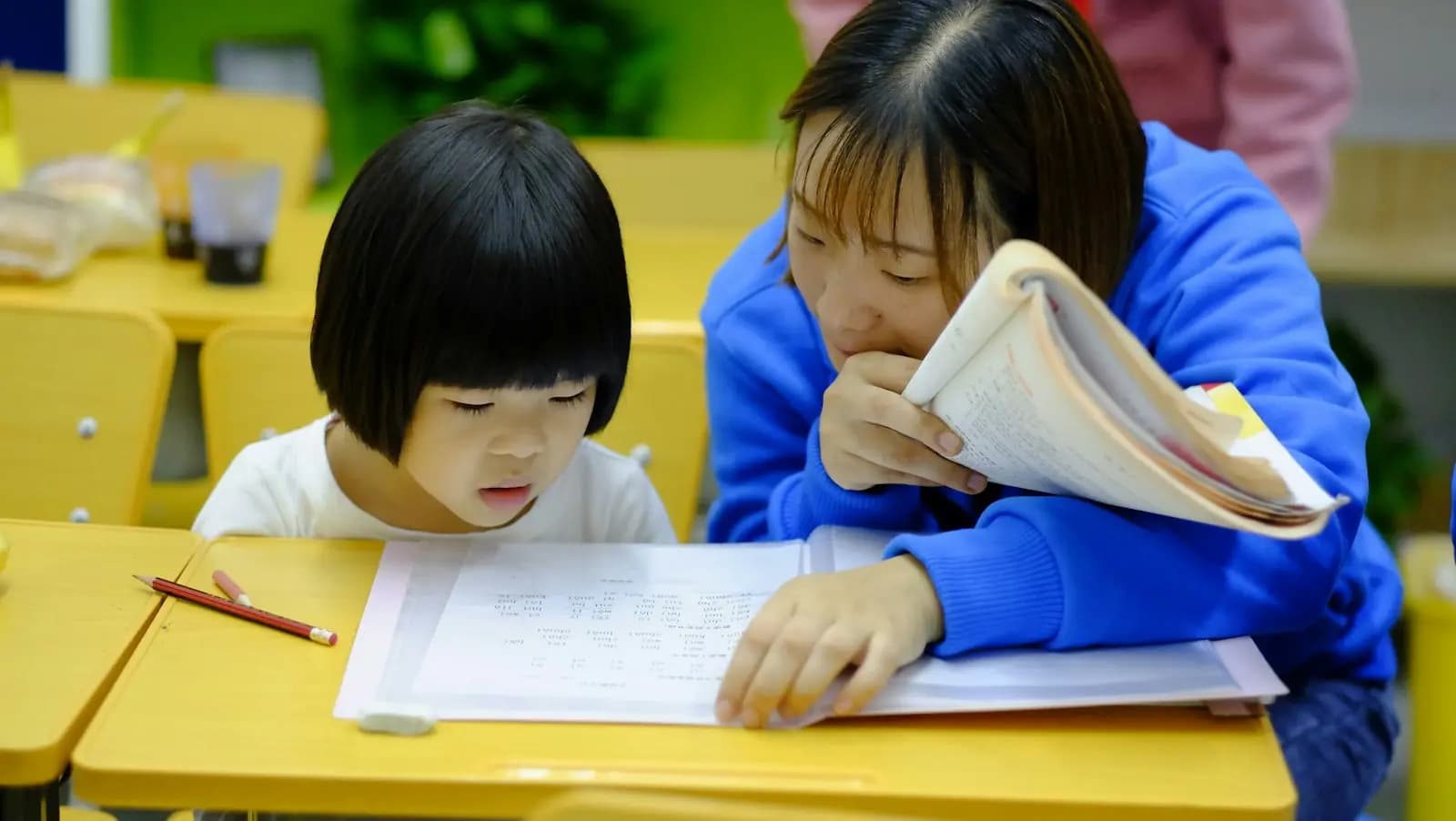
Why ADHD and anxiety are easy to confuse
A child who can't sit still, struggles to finish homework and seems distracted in class could have ADHD. But that same picture can also come from anxiety. Both conditions can affect focus, sleep, behavior and schoolwork, which is why parents and teachers sometimes aren't sure which one they're seeing.
To make it more complicated, the two often occur together. Getting a clear picture matters, because the most helpful treatment can look quite different.
What drives the distraction
One of the most useful questions is why a child is having trouble paying attention.
- With ADHD, attention tends to drift no matter what's going on. The child may be calm and happy but still miss instructions or jump to something more interesting.
- With anxiety, attention is often pulled away by worry. The child may be thinking about a test, a friendship or something going wrong at home.
- ADHD symptoms are usually present across most settings and over a long period of time.
- Anxiety symptoms often rise and fall with specific situations, such as school mornings, social events or separation from a parent.
Restlessness looks different, too
Children with ADHD may fidget, climb, interrupt or act before thinking, often with little sense of being upset. Children with anxiety may also seem restless, but it's usually paired with signs of distress such as stomachaches, tearfulness, clinginess, reassurance-seeking or avoiding certain places or activities.
Sleep can offer clues as well. Kids with ADHD may have trouble winding down because their minds and bodies keep going. Kids with anxiety often lie awake worrying, ask repeated 'what if' questions at bedtime or want a parent nearby to fall asleep.
What you can track at home
Before an evaluation, a few weeks of simple notes can be very helpful. You don't need a special form; a phone note or notebook works fine.
- When the trouble happens: certain times of day, certain subjects or certain places
- What seems to come right before it, such as a test, a transition or a crowded room
- Whether your child says they feel worried, scared or nervous
- How things look on weekends and school breaks compared with school days
- What teachers, coaches or other caregivers are noticing
When it's both
Some children have ADHD and anxiety at the same time. A child with ADHD may become anxious after repeated struggles at school, and a child with anxiety may have attention problems that don't fully explain themselves. When both are present, treatment usually works best when it addresses both, in the right order.
How an evaluation helps sort it out
A child psychiatric evaluation looks at the whole picture: development, family history, school feedback, sleep and how symptoms change across settings. At Advanced Psychiatry Inc, we may also use QbTest, an FDA-cleared test that objectively measures attention, impulsivity and activity, as one part of an ADHD evaluation for children 6 and older.
Objective data and a careful history together can help avoid a missed diagnosis or a treatment that doesn't fit.
Getting answers for your child
If your child's focus, behavior or worry is getting in the way of school, friendships or family life, an evaluation can bring clarity. Our double board-certified child and adolescent psychiatrist sees children and teens at our North Las Vegas and Henderson offices. Call (702) 763-7811 or request an appointment online.
Frequently asked questions
Can anxiety be mistaken for ADHD?
Yes. Anxiety can cause trouble concentrating, restlessness and difficulty finishing tasks, which can look like ADHD. A thorough evaluation helps tell them apart.
Can a child have both ADHD and anxiety?
Yes, and it's fairly common. When both are present, a treatment plan can be designed to address each one.
At what age can my child take QbTest?
QbTest is FDA-cleared for ages 6 to 60. For younger children, evaluation relies on interviews, observation and rating scales.
This article is general information, not medical advice. Citations pending medical review
Related services

Written by Advanced Psychiatry Inc Care Team. Reviewed by
Double board-certified in General Psychiatry and Child & Adolescent Psychiatry, and a Clinical Assistant Professor at the UNLV School of Medicine.