

Bipolar Disorder: Myths, Facts and Treatment Options
Bipolar disorder is often misunderstood. We separate common myths from facts and explain treatment options available in Las Vegas and Henderson.
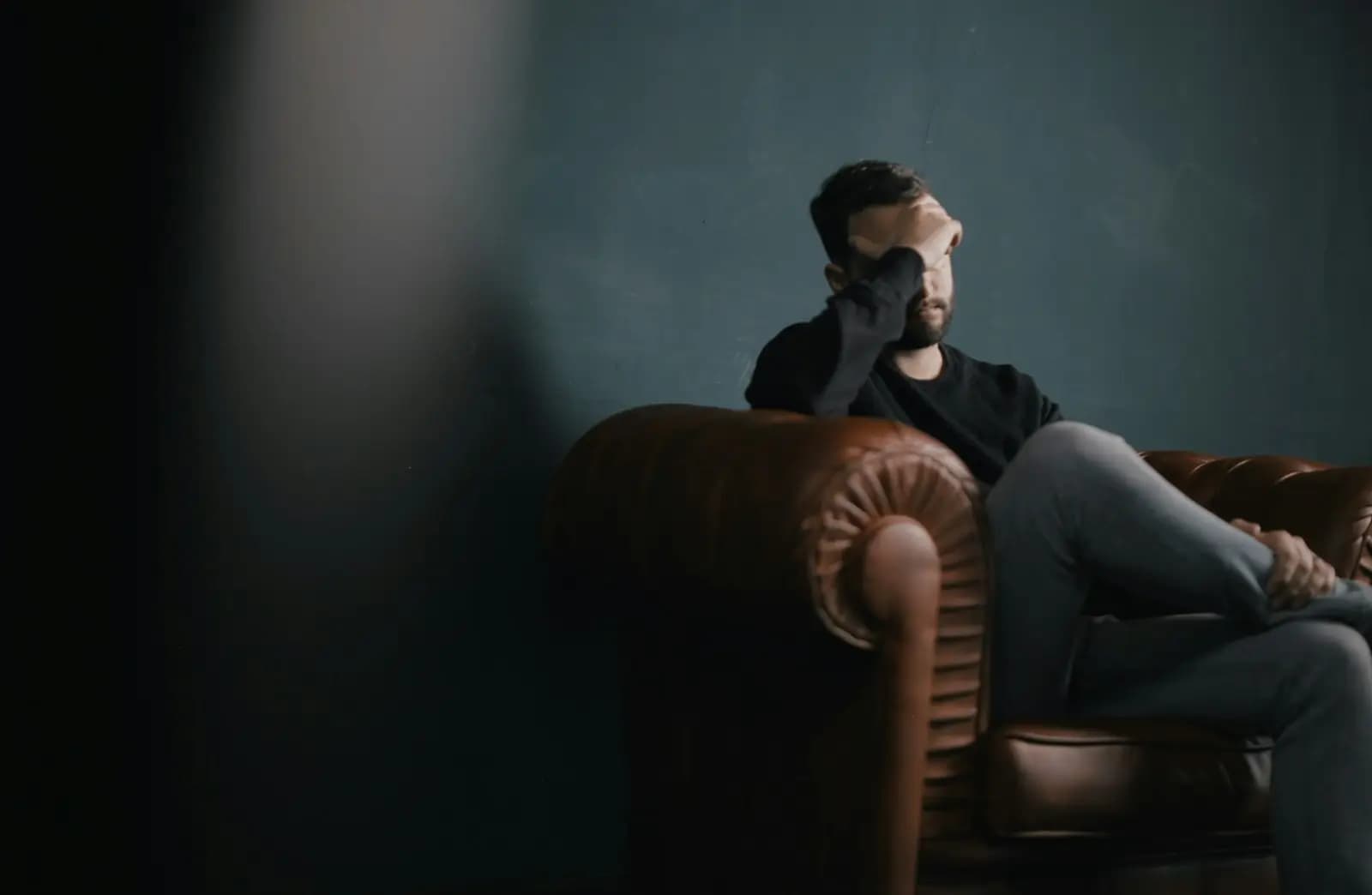
What bipolar disorder is
Bipolar disorder is a mental health condition that causes significant shifts in mood, energy and activity levels. People may experience periods of depression and periods of mania or hypomania, an unusually elevated, energized or irritable state. Between episodes, many people feel well.
Because the term is often used casually, a lot of what people believe about bipolar disorder isn't accurate. Clearing up those myths can make it easier to seek help.
Myth: Bipolar disorder just means frequent mood swings
Fact: Everyday mood changes are normal. Bipolar episodes are different: they typically last days to weeks, involve clear changes in sleep, energy and behavior and can seriously affect work, relationships and safety.
Myth: Mania feels good, so it isn't a problem
Fact: Mania can feel energizing at first, but it may lead to risky decisions, overspending, conflict, little need for sleep and, in some cases, losing touch with reality. Hypomania is milder but can still disrupt life.
- Feeling unusually high, wired or irritable
- Needing much less sleep without feeling tired
- Racing thoughts or talking very fast
- Taking on many projects or making impulsive choices
Myth: People with bipolar disorder can't live full lives
Fact: With the right treatment and support, many people with bipolar disorder work, raise families and pursue their goals. Like other long-term health conditions, it usually requires ongoing care, but it is manageable.
A related myth is that people with bipolar disorder are dangerous or unpredictable. In reality, most people with the condition are not violent, and stigma like this can keep people from seeking care that could help them.
Another common belief is that once you feel better, you can stop treatment. In fact, feeling well is often a sign that treatment is working. Stopping medication suddenly, without guidance, can raise the chance of a new episode. Any change to a treatment plan is best made together with your psychiatrist, who can help you weigh the benefits and side effects and adjust gradually if needed.
Learning your own early warning signs, such as sleeping less, feeling unusually restless or pulling away from people, can also help you and your care team respond before an episode builds.
Myth: Bipolar depression is the same as regular depression
Fact: The depressive episodes can look similar, but treatment may be different. Some medications used for depression alone may not be the best choice for someone with bipolar disorder. That's one reason an accurate diagnosis from a psychiatrist matters so much.
Treatment options
Treatment is tailored to each person and often combines several approaches:
- Medication management, often including mood stabilizers, with regular follow-up
- Psychotherapy to build coping skills, spot early warning signs and support routines
- Family therapy or education so loved ones can help
- Healthy sleep habits, stress management and avoiding alcohol and drugs
- More intensive programs when extra structure is needed
Getting expert care in Las Vegas
Our practice is led by Uzoma Osuchukwu, MD, MPH, a double board-certified psychiatrist who has published research on bipolar disorder. We provide evaluation and ongoing treatment at our North Las Vegas and Henderson offices. If you or someone you love is in crisis, call or text 988, or call 911 in an emergency. To schedule, call (702) 763-7811 or request an appointment online.
Frequently asked questions
Can bipolar disorder be cured?
There's currently no cure, but bipolar disorder is treatable. Many people manage it well with medication, therapy and healthy routines, and go long stretches without episodes.
Is bipolar disorder hereditary?
Genetics can play a role, and bipolar disorder often runs in families. But having a relative with it doesn't mean you'll develop it. Environment and life stress also matter.
How is bipolar disorder diagnosed?
A psychiatrist diagnoses bipolar disorder through a detailed evaluation of your symptoms, history, family history and patterns over time. There is no single blood test or scan for it.
This article is general information, not medical advice. Citations pending medical review
Related services

Written by Advanced Psychiatry Inc Care Team. Reviewed by
Double board-certified in General Psychiatry and Child & Adolescent Psychiatry, and a Clinical Assistant Professor at the UNLV School of Medicine.