
Depression Treatment Options: Medication, Therapy, TMS and Spravato
Depression is treatable, and there's more than one path. Compare medication, therapy, TMS and Spravato to understand which options may fit you.

Depression is treatable
Depression is more than feeling sad. It can affect sleep, energy, appetite, concentration and the ability to enjoy things you used to love. The good news is that depression is treatable, and if one approach doesn't work, there are others to try.
Treatment is personal. What works well for one person may not be the best fit for another, and many people need to try more than one option before finding relief. Knowing the full range of choices can help you have a more informed conversation with your psychiatrist.
Psychotherapy
Talk therapy is a core treatment for depression. Approaches such as cognitive behavioral therapy (CBT) can help you notice and change unhelpful thought patterns, build coping skills and work through stressors. For mild to moderate depression, therapy alone may be enough. For more severe depression, it's often combined with other treatments.
Other evidence-based approaches include interpersonal therapy, which focuses on relationships and life transitions, and group therapy, which can reduce isolation. Lifestyle steps such as regular sleep, physical activity and staying connected with others can support any treatment plan.
Antidepressant medication
Antidepressants, such as SSRIs and SNRIs, are commonly prescribed and help many people. They usually take several weeks to show their full effect, and finding the right medication and dose can take some adjustment.
Side effects are possible, and not everyone responds to the first medication they try. Regular follow-up with a psychiatrist helps you and your provider fine-tune treatment safely. It's important not to stop an antidepressant suddenly without talking to your prescriber first.
TMS therapy
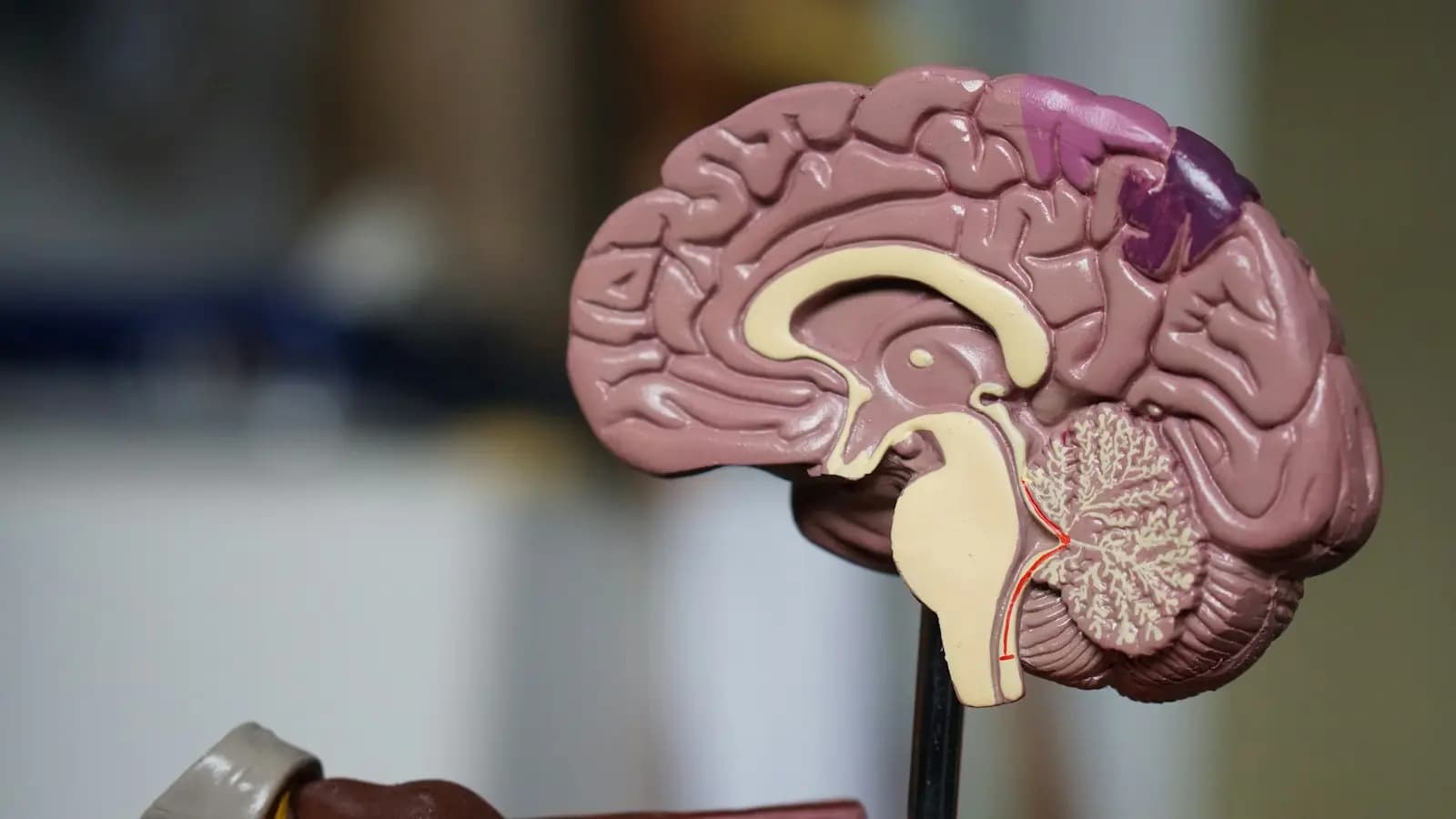
Transcranial Magnetic Stimulation (TMS) is an FDA-cleared, non-invasive option for adults whose depression hasn't improved enough with medication. It uses magnetic pulses to stimulate mood-related areas of the brain.
TMS doesn't involve medication circulating through the body, so it may appeal to people who have struggled with medication side effects. The most common side effects are scalp discomfort and headache. Many insurance plans cover TMS when certain criteria are met.
- Sessions take less than 45 minutes
- Treatment is typically 5 days a week for about 6 weeks
- No anesthesia, and you can drive yourself home
Spravato (esketamine)
Spravato is an FDA-approved nasal spray for adults with treatment-resistant depression, used along with an oral antidepressant. It's also approved for adults with depressive symptoms who are experiencing suicidal thoughts or actions.
Because it can cause temporary dizziness, dissociation and sleepiness, Spravato is given only in a certified healthcare setting under the Spravato REMS program. You take it under supervision and are monitored for at least 2 hours afterward, and you can't drive until the next day after a restful sleep.
Treatment usually starts with more frequent sessions that are spaced out over time. Plan to have someone drive you home after each visit.
Finding the right combination
Many people do best with a combination of treatments, and the right plan depends on your symptoms, history, preferences and what you've already tried. A psychiatric evaluation is the best first step.
Advanced Psychiatry Inc offers medication management, therapy, TMS and Spravato at our North Las Vegas and Henderson offices, and accepts 34+ insurance plans. Call (702) 763-7811 or book online. If you're having thoughts of suicide, call or text 988 any time, or call 911 in an emergency.
Frequently asked questions
What is treatment-resistant depression?
Treatment-resistant depression generally refers to major depression that hasn't improved enough after trying at least two antidepressants at adequate doses and durations. It's common, and options like TMS and Spravato were developed with it in mind.
Can TMS and Spravato be used together?
In some cases, a psychiatrist may consider combining treatments, but this depends on your individual situation and insurance. Your psychiatrist will talk through what makes sense for you.
How do I know which depression treatment is right for me?
Start with a psychiatric evaluation. Your psychiatrist will review your symptoms, health history and past treatments, then explain the options that fit you best.
This article is general information, not medical advice. Citations pending medical review
Related services

Written by Advanced Psychiatry Inc Care Team. Reviewed by
Double board-certified in General Psychiatry and Child & Adolescent Psychiatry, and a Clinical Assistant Professor at the UNLV School of Medicine.