

What Is TMS Therapy? A Complete Guide for Las Vegas Patients
TMS is a non-invasive, FDA-cleared treatment for depression that hasn't improved with medication. Learn how it works, what to expect and who it helps.
TMS in plain language
Transcranial Magnetic Stimulation (TMS) is a non-invasive treatment for depression. It uses focused magnetic pulses, similar in strength to those used in an MRI machine, to stimulate areas of the brain involved in mood regulation.
TMS is FDA-cleared for adults with major depressive disorder who haven't gotten enough relief from antidepressant medication. It doesn't involve surgery, implants or anesthesia, and it doesn't affect the whole body the way a pill does.
For many people living with depression in Las Vegas and Henderson, TMS fills an important gap. It offers a different kind of option for those who have tried several medications, struggled with side effects like weight gain, fatigue or sexual side effects, or simply want to explore a treatment that works in a different way.
How TMS works
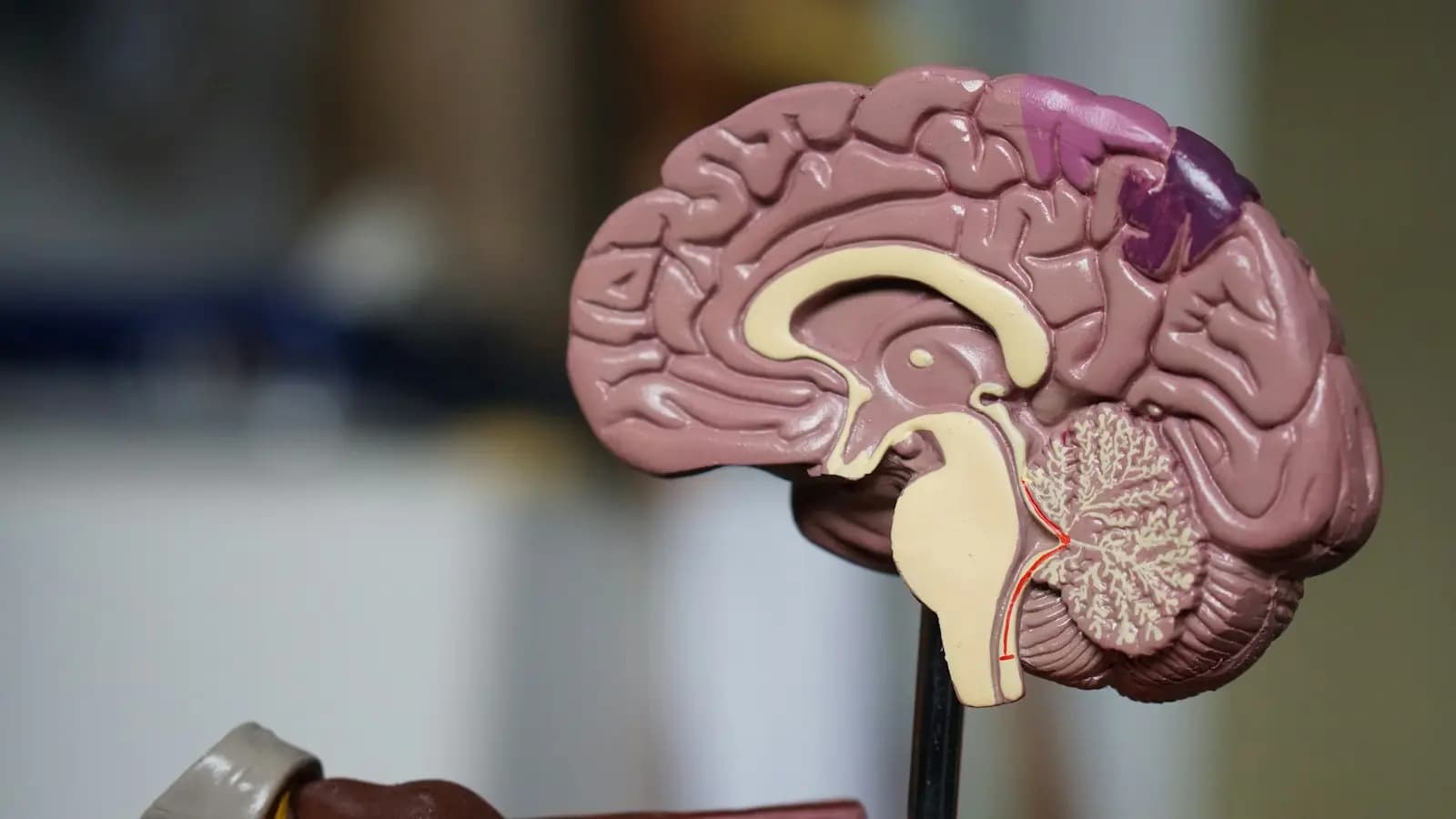
In depression, certain parts of the brain, especially an area near the front called the dorsolateral prefrontal cortex, can be less active than usual. A TMS coil placed gently against your scalp delivers repeated magnetic pulses to that area.
Over a course of treatment, this stimulation may help the brain's mood circuits become more active and better connected. Researchers are still learning exactly why it helps, but TMS has been studied for depression for decades and is a well-established option.
Because the magnetic field only reaches a small, targeted area, TMS generally doesn't cause the memory problems, drowsiness or body-wide side effects some people associate with other depression treatments. Improvement is usually gradual. Some people notice changes in sleep, energy or outlook within a few weeks, while others take closer to the full course to feel a difference.
What a TMS session is like
You sit in a comfortable reclining chair, fully awake. The team positions the coil, and you'll hear clicking sounds and feel a tapping sensation on your scalp while the device is active.
- Each session takes less than 45 minutes
- Treatment is typically 5 days a week for about 6 weeks
- No anesthesia, so you can drive yourself and go back to work or school afterward
- The most common side effects are scalp discomfort or a mild headache, which often ease over the first week or two
Who may be a good candidate
TMS is often considered for adults whose depression hasn't improved enough after trying one or more antidepressants, or who couldn't tolerate medication side effects. It can be used alongside medication and therapy.
TMS isn't right for everyone. People with certain metal implants in or near the head, some implanted devices, or a history of seizures need careful evaluation first. A TMS consultation is the best way to find out whether it's a safe fit for you.
Insurance and getting started
Many insurers, including Medicare and TRICARE, cover TMS for depression when medical-necessity criteria are met. Our team can check your benefits and handle prior authorization before treatment begins.
Insurers usually want to see your diagnosis and a history of the antidepressants you've tried, including approximate doses, how long you took them and why you stopped. Gathering that information before your consultation can help the process move faster. If you're unsure what you've tried in the past, your pharmacy or previous prescriber can often help fill in the gaps.
TMS in Las Vegas and Henderson
Advanced Psychiatry Inc and our sister practice, Advanced TMS Center, offer TMS consultations for adults across Las Vegas, Henderson and North Las Vegas, with offices on W Cheyenne Ave in North Las Vegas and St Rose Pkwy in Henderson.
Call (702) 763-7811 or book online to ask whether TMS could help. If you're having thoughts of suicide or are in crisis, call or text 988 any time, or call 911 in an emergency.
Frequently asked questions
Does TMS therapy hurt?
Most people describe TMS as a tapping or knocking feeling on the scalp. Some feel mild discomfort or a headache early in treatment, which often fades as sessions continue. The settings can be adjusted to help you stay comfortable.
Is TMS the same as electroconvulsive therapy (ECT)?
No. ECT uses electrical current under general anesthesia to cause a brief controlled seizure. TMS uses magnetic pulses, you stay awake, and no anesthesia or seizure is involved.
Can I keep taking my antidepressant during TMS?
In many cases, yes. TMS is often used alongside medication. Your psychiatrist will review your current medications during your consultation and let you know if any changes are needed.
This article is general information, not medical advice. Citations pending medical review
Related services

Written by Advanced Psychiatry Inc Care Team. Reviewed by
Double board-certified in General Psychiatry and Child & Adolescent Psychiatry, and a Clinical Assistant Professor at the UNLV School of Medicine.